Axial piston pumps are critical components in various industrial applications, known for their high efficiency, compact design, and ability to handle high pressures. As a supplier of axial piston pumps, I’ve witnessed firsthand the importance of optimizing their operation to ensure maximum performance and longevity. In this blog post, I’ll share some key strategies and best practices for optimizing the operation of an axial piston pump. Axial Piston Pump

Understanding the Basics of Axial Piston Pumps
Before delving into optimization strategies, it’s essential to have a solid understanding of how axial piston pumps work. Axial piston pumps operate on the principle of reciprocating pistons arranged in a circular pattern around a central axis. As the drive shaft rotates, the pistons move back and forth within their cylinders, creating a suction and discharge action that pumps fluid through the system.
The efficiency and performance of an axial piston pump depend on several factors, including the design of the pump, the quality of its components, the operating conditions, and the maintenance practices. By focusing on these areas, we can optimize the operation of the pump and achieve better results.
Selecting the Right Pump for the Application
One of the most critical steps in optimizing the operation of an axial piston pump is selecting the right pump for the specific application. Different applications have different requirements in terms of flow rate, pressure, temperature, and fluid viscosity. Choosing a pump that is properly sized and rated for the application ensures that it operates efficiently and reliably.
When selecting a pump, consider the following factors:
- Flow Rate: Determine the required flow rate based on the application’s demands. Make sure the pump can deliver the necessary flow at the required pressure.
- Pressure Rating: Select a pump with a pressure rating that exceeds the maximum operating pressure of the system. This provides a safety margin and ensures the pump can handle any pressure spikes.
- Fluid Compatibility: Ensure that the pump is compatible with the fluid being pumped. Different fluids have different properties, such as viscosity and chemical composition, which can affect the pump’s performance and durability.
- Operating Conditions: Consider the operating temperature, speed, and environment in which the pump will be used. Some pumps are designed to operate in harsh conditions, while others are more suitable for clean and controlled environments.
Proper Installation and Alignment
Proper installation and alignment of the axial piston pump are crucial for its optimal operation. A misaligned pump can cause excessive vibration, wear on the components, and reduced efficiency. Follow these guidelines for correct installation and alignment:
- Mounting: Install the pump on a stable and rigid base to minimize vibration. Use proper mounting hardware and ensure the pump is securely fastened.
- Alignment: Align the pump shaft with the drive shaft using a precision alignment tool. Misalignment can cause premature wear on the bearings and seals, leading to pump failure.
- Piping: Use appropriate piping materials and connect the pump to the system using flexible hoses or couplings to absorb vibration and prevent stress on the pump. Make sure the piping is properly supported and free of kinks or restrictions.
Maintenance and Lubrication
Regular maintenance and lubrication are essential for keeping the axial piston pump in optimal condition. Neglecting maintenance can lead to premature wear, reduced efficiency, and costly breakdowns. Here are some maintenance tips:
- Oil Changes: Follow the manufacturer’s recommendations for oil changes. The oil lubricates the pump’s components, reduces friction, and dissipates heat. Contaminated or degraded oil can cause damage to the pump.
- Filter Replacement: Replace the oil filters regularly to remove contaminants from the oil. Clogged filters can restrict the flow of oil and cause the pump to work harder.
- Seal Inspection: Inspect the seals regularly for signs of wear or damage. Leaking seals can lead to fluid loss, reduced efficiency, and contamination of the system.
- Component Inspection: Periodically inspect the pump’s components, such as the pistons, cylinders, and valves, for signs of wear or damage. Replace any worn or damaged components promptly.
Monitoring and Control
Implementing a monitoring and control system can help optimize the operation of the axial piston pump. By continuously monitoring key parameters, such as pressure, flow rate, temperature, and vibration, you can detect potential problems early and take corrective action before they cause significant damage.
- Pressure Sensors: Install pressure sensors to monitor the inlet and outlet pressure of the pump. Sudden changes in pressure can indicate a problem, such as a clogged filter or a worn valve.
- Flow Meters: Use flow meters to measure the flow rate of the pump. A decrease in flow rate can be a sign of a problem, such as a leak or a worn piston.
- Temperature Sensors: Monitor the temperature of the pump and the fluid. Excessive temperature can cause damage to the pump’s components and reduce its efficiency.
- Vibration Sensors: Install vibration sensors to detect any abnormal vibration in the pump. Vibration can be caused by misalignment, worn bearings, or other mechanical problems.
System Optimization
In addition to optimizing the pump itself, it’s also important to optimize the entire hydraulic system in which the pump operates. A well-designed and properly maintained hydraulic system can improve the overall efficiency and performance of the pump.
- Reduce Pressure Drops: Minimize pressure drops in the system by using appropriate piping sizes, reducing the number of fittings and valves, and ensuring the piping is free of restrictions.
- Control Fluid Temperature: Maintain the fluid temperature within the recommended range to prevent overheating and ensure proper lubrication.
- Use Accumulators: Install accumulators in the system to store energy and reduce pressure fluctuations. This can help improve the pump’s efficiency and reduce wear on the components.
Training and Operator Awareness
Finally, providing proper training to operators and increasing their awareness of the importance of pump optimization can have a significant impact on the pump’s performance. Operators should be trained on how to operate the pump correctly, how to monitor its performance, and how to perform basic maintenance tasks.
- Training Programs: Develop comprehensive training programs for operators that cover the operation, maintenance, and troubleshooting of the axial piston pump.
- Operator Manuals: Provide detailed operator manuals that include instructions on how to start, stop, and operate the pump, as well as how to perform routine maintenance tasks.
- Safety Guidelines: Emphasize the importance of safety when operating the pump and provide clear safety guidelines to operators.
In conclusion, optimizing the operation of an axial piston pump requires a comprehensive approach that includes selecting the right pump, proper installation and alignment, regular maintenance and lubrication, monitoring and control, system optimization, and training and operator awareness. By implementing these strategies, you can improve the efficiency, reliability, and longevity of your axial piston pump, resulting in cost savings and increased productivity.
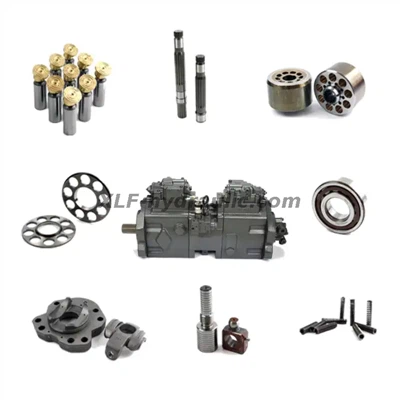
Hydraulic Spare Parts If you’re in the market for an axial piston pump or need assistance with optimizing the operation of your existing pump, I encourage you to reach out to us for a consultation. Our team of experts can help you select the right pump for your application and provide you with the support and guidance you need to ensure its optimal performance.
References
- Fluid Power Handbook, XYZ Publications
- Axial Piston Pump Design and Operation Manual, ABC Manufacturers
- Hydraulic Systems Engineering Principles, DEF Press
Wuhan Xinlaifu Hydraulic Equipment Co., Ltd.
Wuhan Xinlaifu Hydraulic Equipment Co., Ltd. is one of the most professional axial piston pump manufacturers and suppliers in China, featured by high quality OEM&ODM products. Please feel free to buy customized axial piston pump from our factory.
Address: Liansu Industrial Park, No.1, Xincheng 11th Road, Dongxihu District, Wuhan, Hubei, China
E-mail: service@xlf-hydraulic.com
WebSite: https://www.xlf-hydraulic.com/
