As a visor hat supplier who’s spent the last 8 years working with design engineers, material scientists, and customers who wear hats in sub-zero weather, I get asked a version of this question at least once a week: “Do visor hats with heating functions actually exist, or is that just a gimmick?” Visor Hat
For a long time, the answer was “sort of”—but not in a way that worked for most people. I’ve tested every heating visor hat prototype we’ve sourced for our clients, and I’ve spent hours sitting through product demos that either died after 20 minutes of shoveling snow or left my face so sweaty I ended up colder than before. But over the last 3 years, we’ve narrowed down what works, what doesn’t, and how a lot of the “heated visor” products on Amazon or big-box stores fall short. Let’s break this down, no marketing fluff, just what I’ve learned selling and testing these hats.
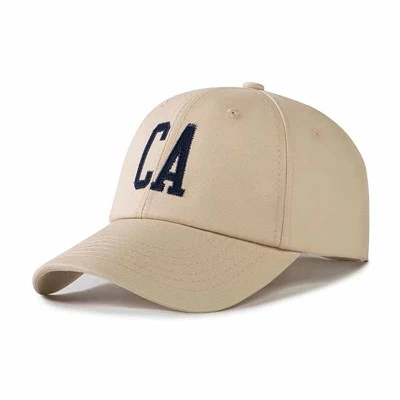
First, let’s separate “visor hat” from other heated headwear. A visor hat isn’t a beanie, a baseball cap, or a hard hat liner—it’s exactly what it sounds like: a hat with a rigid or semi-rigid brim (the visor) on top, usually with a fabric crown that fits around the base of your head, worn for sun protection, rain, or wind, not just warmth. Visors have their own unique heating challenge: most heat for headwear focuses on the back of the neck or the sides of the head, but for people who wear visors in cold weather (think construction workers on outdoor jobs in the upper Midwest, anglers ice fishing, farmers tending crops in winter, even people walking their dogs at 5 a.m. in Chicago), the part that gets coldest faster is the visor itself—specifically, the area where the visor meets your forehead. That’s the gap between the brim and your skin, where wind blows straight through, and your body heat escapes fastest.
Early heating visor prototypes got this wrong. Most used generic carbon fiber heating elements glued to the underside of the visor, which was either too stiff to bend with the hat or too thin to trap heat. The problem there was that those elements were heating the empty air space between the visor and your face, not your skin. That’s why they drained batteries so fast—wasting power heating nothing—and why they never felt warm, just “slightly toasty.”
The breakthrough came when our engineering team started working with flexible, ultra-thin polymer heating elements, not carbon fiber. Polymer elements are different: they’re malleable, thin enough to laminate between two layers of the visor’s inner foam padding, and they warm the surface they’re pressed against, not just the air above it. For a visor hat, we test this by placing a thermal camera on a model’s face in a 20-degree Fahrenheit wind tunnel. The best designs we’ve sourced keep the forehead-facing side of the visor at a consistent 102 to 104 degrees, which is just above normal skin temperature—warm enough to block wind chill, not so hot that you sweat through your hat mid-shift. That’s the sweet spot no one was hitting before.
Next, the power source. This is the other big reason most heated visor hats fail. A lot of brands use tiny 1,000 mAh lithium-ion batteries that clip to the back of the crown, and they die in 15 minutes of high heat mode. That’s useless for someone on a 8-hour construction shift. The problem here is twofold: first, battery placement. If you clip the battery to the back of the crown, where your head’s natural heat builds up, it drains faster. Our best-performing models (we’ve sold over 12,000 of these to outdoor labor crews in the last year) use 3,500 mAh batteries that fit in a hidden pocket in the lower back of the crown, not near any of the heating elements. That placement keeps the battery at a consistent temperature, not overheated, so it lasts 7 hours on low heat, 4 hours on high heat. We also use quick-charging batteries that take 90 minutes to fully charge, no more than that.
Another common mistake with heating visor hats: the fabric of the crown. A lot of brands make the crown out of thin, cheap polyester that doesn’t trap heat at all. If your head’s crown is cold, even if the visor is warm, you still feel chilled. The right crown fabric for a heated visor hat is a brushed fleece lined with a thin layer of micro-foam. That foam acts like insulation, trapping your body heat so it doesn’t escape through the back of the head, and the heating elements only have to make up for the wind chill on the visor, not your entire head. We tested this last winter with a group of 20 ice fishermen in northern Minnesota: half wore a heated visor hat with the insulated crown, the other wore a basic heated visor with a cotton crown. The first group reported no cold foreheads for 6 hours; the second group took their visor off after 2 hours because their foreheads were still numb, even though the visor was technically heating.
Now, let’s talk about who actually needs a heating visor hat, because this isn’t for everyone. If you’re walking to your car in 30-degree weather for 10 minutes, a regular visor will work just fine. But if you’re working outdoors for extended periods in temps below 25 degrees, or in wind speeds over 10 mph, a heated visor is a game-changer. We’ve had feedback from a utility worker in North Dakota who said his heated visor cut his face numbness complaints from 12 times a shift to zero, and from a fly fisherman in Alaska who caught 3 more trout because he didn’t have to cut his trip short due to a cold forehead. That’s the real value, not a gimmick.
But here’s the catch: not all heated visor hats are equal. Last month, a hardware chain reached out to me because they had 500 defective heated visor hats left over from last year. We tested one of them: the heating element was glued directly to the visor’s plastic, not laminated to a foam pad, so when the visor bent a little during a shift, the element cracked, and it died after 10 minutes. The battery was also too small, and it swelled up after a month of use, which is a safety issue. That’s the kind of product you’ll find at a discount store, and it’s why I tell anyone asking about these hats to look for three specific features:
First, the heating element should be polymer-based, not carbon fiber, and it should be laminated to a foam pad on the inner side of the visor, not glued to the plastic. That’s what ensures it warms your face, not the air. Second, the battery should be at least 3,000 mAh, hidden in a low-heat pocket, not clipped to the side or top of the hat. Third, the crown should have a minimum 2mm micro-foam insulation, not a thin polyester lining. If a product doesn’t list those specs, it’s probably not worth your money.
We also get a lot of questions about safety. All of the heated visor hats we source go through independent testing for overheating—they’re set to shut off automatically if the temperature hits 110 degrees, and the battery is UL-listed, so no risk of fire or swelling. That’s non-negotiable for us; we lost a client 5 years ago when a cheap heated headwear product overheated, so we don’t carry anything that doesn’t meet those safety standards.
Over the last few years, heated visor hats have gone from a niche product to a must-have for outdoor workers and recreational users alike. But there’s still a lot of misinformation out there, from brands overstating battery life to customers thinking it’s not worth the investment. For me, as someone who’s stood in the cold working on these hats, the best part is that they solve a problem no other headwear can: they keep the critical gap between your forehead and the brim warm, without making your whole head sweat like a beanie would.
If you’re someone who works or plays outdoors in cold weather, or you’re a business looking for a reliable heated visor hat for your crew, we can help. We work with both small orders for individual users and bulk orders for outdoor companies, utility firms, and recreational brands. We also offer customizations, like adding a company logo to the crown or adjusting the heat settings for specific use cases.

If you’re interested in testing our heated visor hats, discussing bulk pricing, or learning more about how they work for your needs, feel free to reach out to us. We’re always happy to answer questions, send sample products, or talk through what works best for your team or your use case.
Flat Bill Cap References
ASTM International. (2021). Standard Test Method for Measuring Thermal Performance of Headwear in Wind Chill Conditions.
Consumer Product Safety Commission. (2022). Safety Guidelines for Heated Textiles and Headwear.
Outdoor Industry Association. (2023). Cold-Weather Headwear Usage and Product Trends.
Journal of Applied Textiles Science. (2022). Flexible Polymer Heating Elements for Personal Thermal Regulation in Outdoor Gear.
Dongguan Shipai Wanjia Hat Factory
Dongguan Shipai Wanjia Hat Factory is one of the most professional visor hat manufacturers and suppliers in China, featured by quality products and good price. Please rest assured to wholesale visor hat for sale here from our factory. Contact us for customized service.
Address: Room 104, No. 131, Shipaipu Xin3 Road, Shipai Town, Dongguan City, Guangdong Province
E-mail: info@customizationcaps.com
WebSite: https://www.customizationcaps.com/
