Hey there, let’s talk about something that’s probably sitting on your bathroom counter, in your kitchen cabinet, or maybe even in your toolbox right now— that product that’s supposed to be two things, but comes in one neat little container. Wait, no, not a magic trick— a dual chamber bottle. And full disclosure, I’m the guy who supplies these things, so I’ve got way too many thoughts on them, but I’ll keep this real, no corporate fluff. Dual Chamber Bottle

First off, let’s bust the most common myth I hear when I tell people what I do: “Wait, that’s just a bottle with two holes? No, that’s not dual chamber.” Nah, if it was that easy, every condiment bottle would be one. A dual chamber bottle isn’t just slapping two openings on one plastic thing— it’s a engineered container that holds two separate, incompatible materials in the same physical bottle, without them touching at all until you want them to mix. For me, that’s the whole point— we’re not here to mess with stuff that’s already working fine, we’re here to solve problems no one knew they had.
Let me break it down like I would to a guy who’s never picked up a manufacturing manual (which, to be fair, most people haven’t). The core of a dual chamber bottle is the internal barrier— a divider, usually made of food-grade or cosmetic-grade plastic, depending on what you’re storing, that splits the inside into two sealed, independent chambers. No cross-contamination, no chemical reactions between the two materials, no weird separation before you need them. Then you’ve got the dispensing mechanism, which is the other key part. Some bottles have two separate pumps— one for each chamber— so you squeeze and you get two separate streams at the same time. Others have a single nozzle that mixes the two materials as they come out, so you get a pre-mixed dose every time. Either way, the big win is convenience. No more grabbing two separate bottles, no more pre-mixing stuff that only works when you need it fresh, no more wasting half a bottle because it went bad after mixing.
Let’s use the products we supply for, because that’s where I see dual chamber bottles making the most sense. Take hair color, for example. If you’ve ever boxed hair dye, you know it’s two parts: the color cream and the developer. If you mix them too early, they go bad fast, so you have to pour them together right before you apply. With a dual chamber bottle, you’ve got one chamber with the color, one with the developer, and a pump that mixes them as you squeeze. No more measuring, no more mess, no more throwing out half a tube because you only used half your hair dye. That’s a game changer for at-home hair color users, and for salons too— less waste, faster service.
Or how about skincare? A lot of the best serums or moisturizers need two active ingredients that don’t play nice together. Like, vitamin C and niacinamide— if you mix them in the same bottle, they break down and lose their effectiveness in a week. But put them in separate chambers, and you can pump them together onto your face, getting both active ingredients at full strength, every single time. No more buying two separate bottles, no more guessing how much of each to mix— the bottle does it for you. That’s why a lot of clean beauty brands are all over dual chamber bottles now. They can claim “fresh, potent ingredients” without the hassle.
We also supply a ton of dual chamber bottles for industrial and household cleaning products. Think about the grout cleaner that’s bleach on one side and the cleaning agent on the other. Mix them as you spray, and you get a super effective cleaner that doesn’t go bad in the bottle. No more storing bleach and a separate grout cleaner, no more mixing them wrong and getting fumes you don’t want. Same with automotive products— some brake fluid and lubricants that need to stay separate until use, dual chamber bottles keep them stable.
Now, let’s get into the stuff that most suppliers won’t tell you, because they just care about cranking out units. Not all dual chamber bottles are created equal. There’s cheap ones out there that use a flimsy divider that leaks or breaks. The ones we supply? We test every single design for seal integrity. You’d be shocked how many dual chamber bottles fail the drop test— if you drop them on a warehouse floor, the divider shifts, the two materials mix early, and the whole product is ruined. We use HDPE and PET for most of our bottles, because those are durable, food-safe, and work with most chemicals our clients use. We also customize the size and shape, too— from tiny 10ml bottles for travel-sized skincare to 5-gallon industrial jugs for factory use. It’s not one size fits all, and that’s what a lot of new brands don’t get. They think “dual chamber = expensive, bulky” but we’ve streamlined the design so they’re competitive with regular bottles, no extra cost for most applications.
Wait, let’s talk about the stuff people don’t think about when they’re choosing packaging: waste. The average person buys two separate bottles for a product that could be one. So that’s one less plastic bottle in the trash, right? And for products that go bad after mixing, dual chamber bottles eliminate the half-used, expired bottle that gets tossed. I’ve had a lot of clients come to us saying they were tired of throwing out 30% of their hair dye every time a customer only did root touch-ups— now they use smaller dual chamber bottles for root touch-up kits, no more waste. That’s a big deal, especially with all the push for more sustainable packaging these days. We work with brands to make our dual chamber bottles recyclable, too— most of our designs are mono-material, so they’re easier to recycle than multi-material packaging that’s a pain for facilities to process.
I get it, if you haven’t used a dual chamber bottle before, it might sound like a solution looking for a problem. But once you use one, you’ll wonder how you lived without it. Last year, a coffee brand came to us wanting to make a cold brew concentrate that mixed with water on the go for their travel cups. A regular bottle would mean carrying a separate water bottle, or pre-mixing the concentrate which would go bitter. We made them a small 2oz dual chamber bottle— one side has concentrate, one has filtered water, so you just squeeze it into your travel cup, add ice, and you’ve got perfect cold brew in 10 seconds. They sold out of that product in 3 months. That’s the kind of use case I live for— stuff that makes people’s lives easier, no gimmicks.
Now, let’s address the downsides, because I’m not here to sell you something that’s perfect. Dual chamber bottles do have a few limitations. They’re not great for products that need to be pre-mixed for something like a cake batter, for example. And the dispensing mechanism can be a bit finicky if you don’t maintain it— if you leave leftover product in the nozzle, it can dry up and clog. But those are solvable issues, not dealbreakers. At our facility, we include a little info sheet with every order, telling clients how to care for their dual chamber bottles, and we offer custom nozzles that are easier to clean for certain products. We’ve also got designs that work with squeeze caps for products where pumps aren’t the right fit, like thick pastes or sauces.
Another thing I love about dual chamber bottles is that they’re so versatile. We’ve supplied them for everything from craft beer (mixing two different flavor infusions right before you pour) to pharmaceutical products (mixing a drug and its solvent right before administration, to keep both stable). For small batch brands, we do custom runs so you don’t have to order 100,000 units at once— we work with startups all the time, which is why I got into this in the first place. I saw a lot of small brands get priced out of good packaging by big suppliers, so we built our operation to be flexible for everyone, from one-off custom designs to mass production runs.
Wait, let’s make this personal, since I’m not some corporate PR rep. A few months back, I got an email from a mom who bought our dual chamber hair color kit for her teen’s first at-home dye job. She wrote that it was the first time they didn’t get dye all over the bathroom mixing two bottles, and the color turned out exactly how she wanted. That’s the stuff that makes all the late nights tweaking designs worth it. Dual chamber bottles aren’t just a packaging trend— they’re small, daily wins for people who want convenience without the hassle.
So, if you’re a brand owner, a small business, or even just someone curious about how to make your products better, dual chamber bottles might be exactly what you’re looking for. Whether you’re trying to keep active ingredients fresh, cut down on waste, or just make your product easier to use, there’s a dual chamber design that fits. I’ve been in this game for over a decade, and I still get excited when I see a new use case for these bottles— I don’t think we’ve even scratched the surface of what they can do.
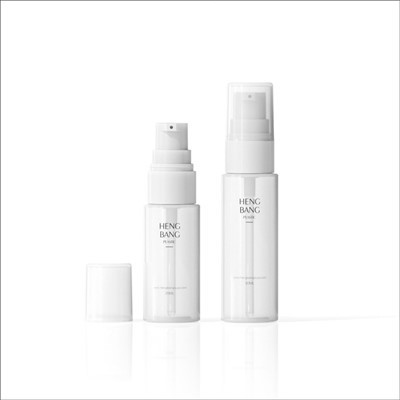
If you’re looking to test out dual chamber bottles for your next product, or just want to chat through what design would work best for you, hit me up. We can go over sizes, materials, customizations, whatever you need. No sales pitch, no confusing jargon— just a real person who’s been doing this long enough to know what works, and what doesn’t.
Plastic Airless Bottle References
- European Chemicals Agency. (2022). Guidance on packaging for dual-component products. ECHA Publications.
- Plastic and Packaging Industry Association. (2023). Dual chamber packaging: Performance and sustainability insights. PPIA Technical Report.
- Journal of Packaging Technology and Science. (2021). Advances in multi-compartment packaging for consumer goods. Volume 34, Issue 5.
Yuyao Hengbang Plastic Products Co., Ltd.
As one of the most professional dual chamber bottle manufacturers and suppliers in China, we’re featured by quality products and good service. Please rest assured to wholesale bulk customized dual chamber bottle at competitive price from our factory.
Address: No. 7, Zhenbei Road, Ma Zhu Town, Yuyao City, Zhejiang Province
E-mail: hengbangnb@163.com
WebSite: https://www.yyhengbang.com/
