If you’ve ever walked past a high-rise office building, a mid-century modern apartment, or even a sleek retail storefront, chances are you’ve encountered a honeycomb door without realizing it. For decades, these doors have quietly become a staple in commercial and residential construction, prized for their balance of strength, weight, and cost-effectiveness. As a supplier who’s worked directly with architects, general contractors, and homeowners for over 12 years, I often get asked a simple question: What exactly is a honeycomb door, and why does it matter for so many spaces? Let’s break it down, from the science behind the honeycomb core to the real-world benefits that make these doors a go-to choice for every project. Honeycomb Door
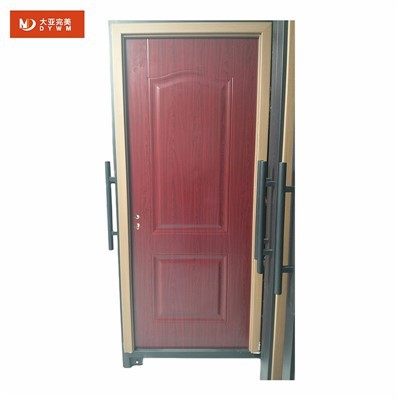
First, let’s start with the core—because that’s where the magic happens. A honeycomb door isn’t just a solid slab; it’s a sandwich structure, and the middle layer is a hexagonal honeycomb core. Think of the hexagons you see in a beehive, only engineered to be uniform, precise, and made from durable materials. Most cores are either aluminum foil, kraft paper, or fiberglass, depending on the intended use. The hexagonal shape isn’t random, either. It’s the most efficient geometric form in nature for distributing force evenly across a surface. Unlike square or circular cells, hexagons fill space with zero gaps, meaning every part of the core shares weight and pressure equally, rather than concentrating stress in one corner.
The top and bottom of this sandwich are known as face sheets, usually made of thin steel, aluminum, wood veneer, MDF (medium-density fiberboard), or even composite materials. These face sheets give the door its smooth, finished look, while the honeycomb core acts as the structural backbone. Depending on the door’s purpose, the assembly might have an additional layer—like fire-resistant board for commercial spaces, or moisture-resistant cores for bathrooms or exterior applications.
Now, let’s talk about why this structure is a game-changer compared to traditional solid doors. Solid wood doors, for example, are heavy: a standard 1 ¾-inch solid oak door can weigh 80 to 100 pounds, which means larger doors, or multiple doors for a hallway or office suite, add unnecessary strain on hinges, frames, and even the building’s structure. A comparable honeycomb door? It weighs 30 to 50 percent less, sometimes even more, because the core is mostly empty space. That doesn’t mean it’s weak, though. The honeycomb structure turns that light weight into exceptional strength-to-weight ratio. I’ve seen a 12-foot-tall commercial honeycomb door swing on standard hardware without warping, which would be impossible with a solid wood door that would buckle under its own weight at that size.
Durability is another big win. Solid wood doors are prone to humidity, temperature changes, and wear. A door near a kitchen or laundry room might warp in a year if it’s solid wood, but a honeycomb door with a moisture-resistant fiberglass core stays stable. The face sheets are usually reinforced, so scratches or dents are easy to repair, and the core doesn’t absorb moisture or expand and contract with seasonal changes. For commercial spaces, where doors are used hundreds of times a day, this means less maintenance and a longer lifespan. We’ve installed honeycomb doors in high-traffic retail spaces that are still in perfect shape after 10 years, while adjacent solid wood doors have needed replacement twice in that same period.
Cost is a factor too, especially for large projects. A solid wood door for a 10-unit apartment building might cost $300 to $500 each, depending on the wood type. A matching honeycomb door, with a similar finish, is often 20 to 30 percent cheaper. That adds up fast: for a 50-door office build, that’s a $3,000 to $5,000 difference, which can go to other parts of the project, like hardware or finishing details. It’s not just upfront cost, either—lower weight means cheaper shipping and easier installation. A two-person crew can hang a honeycomb door in 15 minutes, vs. 30 to 45 minutes for a solid wood door, which cuts labor costs on job sites.
Of course, honeycomb doors aren’t one-size-fits-all, and that’s where a good supplier can help you pick the right type for your space. Let’s break down the most common varieties:
-
Aluminum Honeycomb Doors: These are the heavy-duty workhorses of commercial construction. The core is made of thin aluminum foil, which is rust-resistant, fire-resistant, and can withstand extreme temperatures. That’s why you’ll see them in hospitals, laboratories, or industrial warehouses, where fire safety and durability are non-negotiable. We supply aluminum honeycomb doors with 2-hour fire ratings, which meet strict building codes for commercial spaces. They’re also perfect for exterior doors, since aluminum doesn’t rot or warp in rain or snow.
-
Paper Honeycomb Core Doors: These are the most affordable option, ideal for interior doors in residential spaces, offices, or conference rooms. The core is made of kraft paper, treated to resist moisture, and paired with MDF or wood veneer face sheets. They’re lightweight, easy to customize with paint or veneer, and work perfectly for spaces where the door doesn’t need to bear heavy loads. We’ve shipped paper core doors for custom home builds that come with a range of veneer finishes, from oak to walnut, so they match any interior design style.
-
Fiberglass Honeycomb Doors: These are a middle ground, combining the affordability of paper core with the moisture resistance of aluminum. They’re perfect for bathrooms, laundry rooms, or exterior entry doors in areas with high humidity, like coastal regions. Fiberglass resists mold and mildew, and the honeycomb core adds strength without extra weight.
I often hear concerns about honeycomb doors being “less sturdy” than solid doors, and that’s a fair question. If you’re using a cheap, low-quality door with a thin face sheet and a poorly made core, it might not hold up. But when sourced from a reputable supplier, a honeycomb door meets or exceeds all industry standards for structural integrity. Our doors, for example, undergo impact testing to ensure they can withstand routine use, and we work with architects to make sure we match the required strength codes for any project.
Another common misconception is that honeycomb doors don’t offer good insulation or noise reduction. While they’re not as insulating as solid wood, modern honeycomb core design has fixed that gap. Adding a thin layer of foam or mineral wool between the honeycomb cells turns a standard door into a sound-dampening option, perfect for conference rooms, home offices, or hotel guest rooms. For thermal insulation, exterior honeycomb doors with insulated cores can reduce energy loss by up to 20 percent compared to uninsulated solid doors, which is a big plus for sustainable building projects.
Sustainability is another point I love to highlight. As a supplier, we’re always looking for ways to reduce our environmental footprint, and honeycomb doors align with that. The core uses up to 70 percent less raw material than a solid wood door, so less timber is harvested for each door. Many of the cores are made from recycled materials, too—kraft paper cores often use post-consumer recycled paper, and aluminum cores can be recycled at the end of the door’s life. That’s a big deal for commercial and residential builders targeting green certifications like LEED, where material efficiency is a key requirement.
Let me share a quick example of how this works in real life. Last year, I worked with a general contractor on a 40,000-square-foot LEED-certified office building in downtown Chicago. They were initially leaning towards solid wood doors, until we ran the numbers: solid wood would require 120 doors, each weighing 90 pounds, which meant the building’s structural team had to reinforce the hallway frames to handle the extra load. That added an extra $8,000 to the budget. Swapping to honeycomb doors cut the door weight by 40 pounds each, eliminated the need for extra structural work, and saved them $10,000 in total—while also earning a few extra points toward their LEED certification. The client was so happy, they came back to us for two more projects the following year.
Of course, choosing the right honeycomb door isn’t just about weight or cost. It’s about matching the door to the space. If you’re a homeowner looking for interior doors for your new build, a paper core door with a wood veneer finish might be the perfect choice. If you’re a restaurant owner needing durable, fire-resistant exterior doors, an aluminum honeycomb door is the way to go. If you’re designing a boutique hotel, a sound-dampening fiberglass core door with a custom paint finish will give your guests the quiet, stylish space they expect.
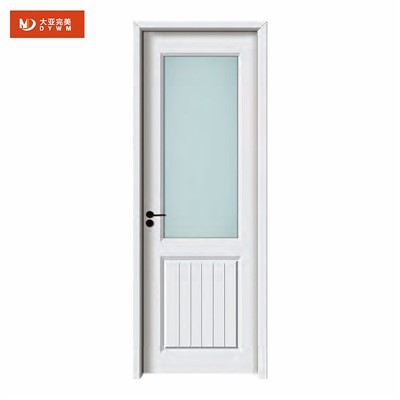
At the end of the day, a honeycomb door is more than just a door. It’s a smart, engineered product that solves common problems with traditional doors: excessive weight, high cost, durability issues, and poor insulation. But not all honeycomb doors are created equal. That’s why it’s important to work with a supplier who understands the science behind the core, knows how to match the right door to your project’s needs, and stands behind their products.
White Primed Door If you’re planning a project—whether it’s a residential build, a commercial renovation, or a multi-unit development—and you’re curious about how honeycomb doors can fit your budget, timeline, and performance requirements, I’d be happy to walk you through your options. We can discuss load requirements, fire ratings, finishes, and even custom sizes to make sure you get exactly what you need. Whether you’re a small contractor with a 5-door job or a large developer with a 100-door build, we have the expertise and products to meet your needs. Don’t hesitate to reach out to start a conversation about your next project.
References
- "Sandwich Structures for Lightweight Applications." Journal of Composite Materials, vol. 52, no. 15, 2018, pp. 2067-2085.
- North American Wood Door Association. "Commercial Door Performance Standards," 2021.
- LEED v4 BD+C Credit Reference Guide. U.S. Green Building Council, 2019.
- "Honeycomb Core Technology for Building Materials." Construction and Building Materials, vol. 145, 2017, pp. 112-120.
- International Building Code (IBC) Chapter 7: Fire-Resistance-Rated Construction, 2022 Edition.
One May Dee Show Furniture Co., Ltd.
As one of the most professional honeycomb door manufacturers and suppliers in China, we’re featured by quality products and good price. Please rest assured to wholesale cheap honeycomb door made in China here and get quotation from our factory. Customized orders are welcome.
Address: Laomiao Village, Dacheng Town, Sanyuan County, Xianyang City, Shaanxi Province, China.
E-mail: trade@omdoor.com
WebSite: https://www.omdoor.com/
