Can foam plaster be used for insulation?
In the dynamic world of construction materials, I’ve spent years as a foam plaster supplier, constantly encountering questions from builders, architects, and DIY enthusiasts about the capabilities of foam plaster. One of the most recurrent inquiries revolves around its potential for insulation. Let’s delve into this topic to understand whether foam plaster can indeed serve as an effective insulation material. Foam Plaster
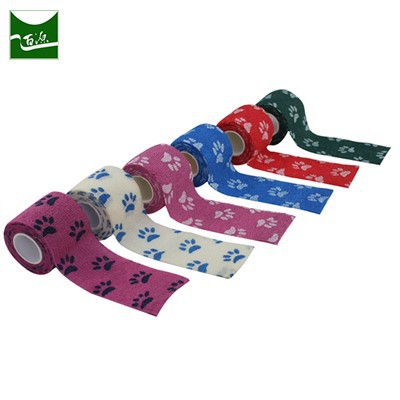
Understanding Foam Plaster
First, let’s clarify what foam plaster is. Foam plaster is a specialized building material created by introducing air bubbles into a plaster mixture. This process results in a lightweight and porous material with unique properties. The air bubbles trapped within the plaster matrix play a pivotal role in determining its characteristics and potential applications.
Foam plaster is known for its ease of application. It can be sprayed or troweled onto surfaces, adhering well to a variety of substrates, including concrete, brick, and drywall. It also offers good fire resistance, which is a crucial factor in building safety. Additionally, it can be used for both interior and exterior applications, providing flexibility in construction projects.
The Science of Insulation
Before evaluating foam plaster as an insulation material, it’s essential to understand the principles of insulation. Insulation works by reducing the transfer of heat between different areas. In buildings, this means keeping the interior warm in winter and cool in summer, thereby reducing energy consumption and costs.
There are three main types of heat transfer: conduction, convection, and radiation. Conduction is the transfer of heat through a solid material, convection is the transfer of heat through the movement of fluids (such as air or water), and radiation is the transfer of heat through electromagnetic waves. Effective insulation materials need to impede all three types of heat transfer to varying degrees.
Foam Plaster’s Insulating Properties
So, can foam plaster meet the requirements for effective insulation? The answer lies in its composition and structure. The air bubbles within foam plaster act as barriers to heat transfer. Air is a poor conductor of heat, so when it is trapped in the small pockets within the plaster, it slows down the conduction of heat through the material.
In terms of convection, the closed – cell structure of some foam plasters helps prevent the movement of air within the material. This reduces the convective heat transfer, as the air cannot circulate freely and carry heat with it. Regarding radiation, while foam plaster may not be as effective as some specialized reflective insulation materials, its overall insulating properties still contribute to reducing the overall heat transfer in a building.
The thermal conductivity of a material is a key metric in assessing its insulation capabilities. Thermal conductivity is measured in watts per meter – kelvin (W/m·K). The lower the thermal conductivity, the better the material is at insulating. Foam plaster typically has a relatively low thermal conductivity compared to traditional plasters, making it a promising candidate for insulation applications.
Real – World Applications
Over the years, I’ve seen foam plaster being used in a variety of real – world insulation projects. In residential buildings, it has been applied to interior walls to improve thermal comfort. Homeowners have reported a noticeable reduction in heating and cooling costs after having foam plaster installed.
In commercial buildings, foam plaster has been used on exterior facades. It not only provides insulation but also adds an aesthetically pleasing finish. For example, in office buildings and shopping malls, the use of foam plaster has contributed to creating a more energy – efficient environment.
In industrial settings, foam plaster has been used to insulate pipes and equipment. Its ability to adhere well to irregular surfaces makes it suitable for these applications, and it helps in reducing heat loss from the pipes and maintaining the temperature of the equipment.
Advantages of Using Foam Plaster for Insulation
There are several advantages to using foam plaster for insulation. Firstly, its ease of application saves time and labor costs. Unlike some insulation materials that require complex installation procedures, foam plaster can be applied quickly by trained workers.
Secondly, foam plaster is a versatile material. It can be used in different climates and building types. Whether it’s a cold climate where heat retention is crucial or a hot climate where cooling is a priority, foam plaster can provide the necessary insulation.
Thirdly, foam plaster is a durable material. It can withstand normal wear and tear, and it has good resistance to moisture and mold. This means that the insulation properties will remain effective over a long period, reducing the need for frequent replacements.
Challenges and Limitations
However, like any material, foam plaster also has its challenges and limitations. One of the main concerns is the cost. Foam plaster can be more expensive than traditional insulation materials such as fiberglass or cellulose. This can be a deterrent for some budget – conscious projects.
Another limitation is the need for proper installation. If foam plaster is not applied correctly, it may not provide the expected insulation performance. For example, if there are gaps or uneven application, heat transfer may occur through these weak points.
Additionally, in very high – temperature applications, foam plaster may have limitations. While it has good fire resistance, extremely high temperatures can still affect its performance over time.
Comparing with Other Insulation Materials
When comparing foam plaster with other insulation materials, it’s important to consider the specific requirements of the project. Fiberglass insulation is a popular choice due to its low cost and wide availability. However, it can be itchy and difficult to install in some situations. Cellulose insulation is also cost – effective and has good sound – absorption properties, but it may require additional treatment to resist moisture.
Spray – foam insulation is another alternative. It has excellent insulation properties and can conform to irregular shapes. However, it can be more expensive and may require specialized equipment for installation.
Foam plaster offers a middle ground. It provides good insulation, is relatively easy to install, and has additional benefits such as fire resistance and aesthetic appeal.
Tips for Choosing and Using Foam Plaster for Insulation
If you’re considering using foam plaster for insulation, here are some tips to ensure the best results. First, choose a high – quality foam plaster product. Look for products that have been tested and certified for their insulation properties.
Second, hire experienced installers. Proper installation is crucial for achieving the desired insulation performance. Make sure the installers are familiar with the specific product and techniques required for foam plaster application.
Third, conduct a thorough energy audit of your building before installation. This will help you determine the areas where insulation is most needed and the expected energy savings.
Conclusion

In conclusion, foam plaster can indeed be used for insulation. Its unique properties, such as its ability to trap air and resist heat transfer, make it a viable option for a variety of construction projects. While it has its challenges and limitations, when used correctly, it can provide significant energy savings and improve the comfort of a building.
Medical Tape As a foam plaster supplier, I am committed to providing high – quality products and sharing my expertise with customers. If you’re interested in using foam plaster for insulation in your next project, I invite you to get in touch with me. We can discuss your specific requirements, provide samples, and offer technical support. By working together, we can create more energy – efficient and comfortable buildings.
References
- Building Science Handbook, by Joseph Lstiburek and John Carmody
- Insulation Materials: Properties and Performance, by David Croll
- Construction Materials: Types, Properties and Uses, by S. K. Duggal
Wuxi Beyon Medical Products Co., Ltd.
Address: NO.8 HUAYOU(1ST) RD, XINWU DISTRICT,WUXI,JAINGSU,CHINA
E-mail: simon@beyoncn.com
WebSite: https://www.tapeandband.com/
