Hey there! I’m a supplier of valve cores, and let me tell you, troubleshooting problems in valve cores is a big part of what we deal with on a regular basis. I’ve seen it all over the years, from minor glitches to major malfunctions. In this blog, I’m going to share some tips on how to troubleshoot those pesky valve core problems. Valve Core
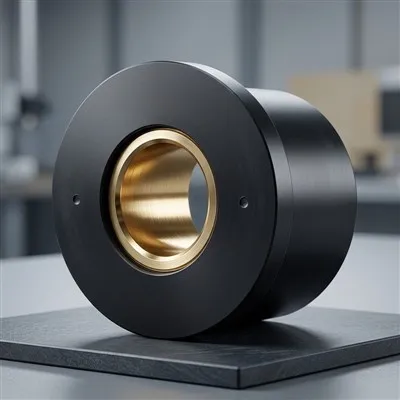
1. Understanding the Basics of Valve Cores
First things first, let’s talk about what a valve core is and what it does. A valve core is a small but crucial component in a valve system. It’s responsible for controlling the flow of fluid or gas in and out of the valve. Think of it like a little gatekeeper. When it’s working right, it allows the right amount of stuff to pass through at the right time.
There are different types of valve cores, like Schrader valve cores, Presta valve cores, and Woods valve cores. Each type has its own unique features and is used in different applications. For example, Schrader valve cores are commonly used in car tires, while Presta valve cores are often found in bicycle tires.
2. Common Problems with Valve Cores
Now, let’s get into the nitty – gritty of the problems you might encounter.
Leakage
One of the most common issues is leakage. You might notice that there’s a slow or even a fast loss of fluid or gas from the valve. This can happen for a few reasons. Maybe the valve core isn’t tightened properly. Sometimes, the seal on the valve core can wear out over time. If the valve core is damaged, say it’s cracked or has a chip, that can also cause leakage.
Blockage
Another problem is blockage. Debris, dirt, or even small particles can get into the valve core and block the flow of fluid or gas. This can happen if the valve is in a dirty environment or if the system isn’t properly maintained. When there’s a blockage, the valve might not open or close as it should, which can mess up the whole operation.
Malfunctioning Opening and Closing
The valve core might not open or close at the right time or with the right force. This could be due to a problem with the spring inside the valve core. If the spring is weak or damaged, it won’t be able to push or pull the valve core open or shut properly. Also, if there’s some kind of mechanical interference, like a bent part, it can prevent the valve core from moving smoothly.
3. Troubleshooting Steps
Step 1: Visual Inspection
The first thing you should do when you suspect a problem with a valve core is to take a good look at it. Check for any obvious signs of damage, like cracks, chips, or wear and tear. Look at the seal around the valve core. If it looks damaged or worn, that could be the source of a leak. Also, check if there’s any debris or dirt stuck in the valve core.
Step 2: Check the Tightness
Make sure the valve core is tightened correctly. Sometimes, a simple loose valve core can cause a lot of problems. You can use a valve core tool to tighten it gently. But be careful not to over – tighten it, because that can damage the valve core or the valve itself.
Step 3: Test the Flow
If you suspect a blockage, try to test the flow of fluid or gas through the valve. You can do this by slowly opening and closing the valve while monitoring the flow rate. If the flow is inconsistent or very slow compared to normal, there’s likely a blockage. You can try to clean the valve core using a suitable cleaning agent and a small brush.
Step 4: Check the Spring and Moving Parts
If the valve core isn’t opening or closing properly, examine the spring inside. See if it’s still in good condition and if it has the right tension. You can also check other moving parts for any signs of bending or misalignment. If you find a damaged part, it might need to be replaced.
4. When to Replace the Valve Core
Sometimes, troubleshooting isn’t enough, and you need to replace the valve core. If you’ve tried all the steps above and the problem still persists, it’s probably time for a new valve core. Also, if the valve core is severely damaged, like it’s completely cracked or the seal is beyond repair, replacement is the best option.
5. Preventive Maintenance
To avoid having to troubleshoot valve core problems all the time, it’s a good idea to do some preventive maintenance. Keep the valve and the valve core clean. Regularly inspect the valve core for any signs of wear or damage. If you’re using the valve in a harsh environment, consider using a protective cover. Also, make sure to follow the manufacturer’s guidelines for maintenance and operation.
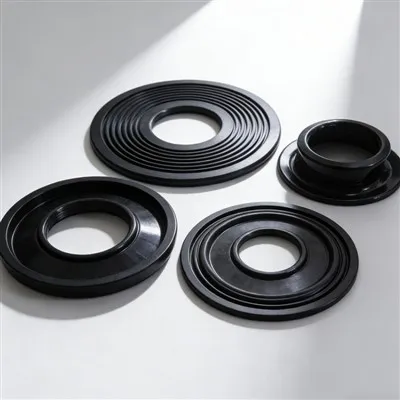
As a valve core supplier, I know how important it is to have high – quality valve cores that work properly. If you’re in the market for valve cores or if you’re having trouble with the ones you currently have, don’t hesitate to reach out. We’ve got a wide range of valve cores to suit different applications, and our team is always ready to help you with any questions or problems you might have. Whether you’re a small business owner or part of a big industrial operation, we can provide the right valve core solutions for you.
Rubber-metal Composite Valve Core Contact us to start a discussion about your valve core needs. We’re here to ensure that your valve systems run smoothly and efficiently.
References
- "Valve Handbook", authored by Crane Engineering.
- "Introduction to Fluid Control Valves", a publication by Spirax Sarco.
Tianjin TGE BIAM Graphene Technology Co., Ltd.
Tianjin TGE BIAM Graphene Technology Co., Ltd. is one of the most professional valve core manufacturers and suppliers in China, also supports customized service. Please feel free to buy bulk advanced valve core in stock here from our factory. For quotation, contact us now.
Address: No. 24 Sanjing Road, Dongli Development Zone, Tianjin City, China.
E-mail: sales@tge-tj.com
WebSite: https://www.tge-valve.com/
