Hey there, fellow aviation enthusiasts! I’m here as an aircraft hangar supplier to share some tips on how you can choose the right aircraft hangar for your needs. Whether you’re a private pilot with a single-plane setup or running an aviation business with multiple aircraft, picking the right hangar is super important. Aircraft Hangar
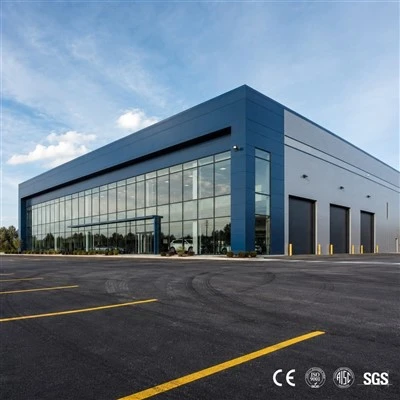
First off, let’s talk about size. This is a no-brainer, but it’s often overlooked. You gotta measure your aircraft, not just the length and width but also the height. You don’t want to end up with a hangar where you’re scraping the wings or can’t open the doors properly. If you have plans to expand your fleet in the future, it’s smart to go a bit bigger than you need right now. I’ve seen so many customers who regret not getting a larger hangar when they first started.
For instance, if you have a small Cessna, you might think a compact hangar will do. But what if you decide to upgrade to a larger plane down the road? You’ll be stuck looking for a new hangar all over again. So, take your time, measure accurately, and factor in any future growth.
Next up is the location. Where you place your hangar can make a huge difference. You want to choose a spot that’s easily accessible. If it’s for a private airport, make sure there are no obstacles on the way to the hangar. For commercial airports, proximity to the runway and other facilities like fueling stations is crucial.
Also, think about the weather conditions in the area. If you’re in a region with heavy snowfall, you’ll need a hangar that can withstand the weight of snow on the roof. In hurricane-prone areas, the hangar should be built to resist high winds. I once had a customer in a coastal area who didn’t consider the wind factor, and their hangar got damaged in a storm. It was a costly lesson.
The construction material is another key aspect. There are different types of materials available, and each has its pros and cons. Steel is a popular choice because it’s strong, durable, and relatively low-maintenance. It can withstand harsh weather conditions and is less likely to be damaged by pests. But it can be a bit more expensive upfront.
Wooden hangars, on the other hand, have a classic look and are often more affordable. However, they require more maintenance, like regular painting and treating to prevent rot and insect infestation. And they might not be as strong as steel in extreme weather.
Aluminum is a lightweight option that’s corrosion-resistant. It’s a good choice if you’re looking for something easy to install and move around. But it might not be as sturdy as steel for larger aircraft or in areas with severe weather.
Now, let’s discuss the design. You want a hangar that not only protects your aircraft but also meets your operational needs. If you’re doing maintenance work inside the hangar, you’ll need enough space for tools and equipment. Consider the layout of the doors. Sliding doors are great because they don’t take up extra space outside the hangar, but they can be more expensive. Bi-fold doors are a more budget-friendly option and are easy to operate.
Ventilation is also crucial. You don’t want a stuffy hangar with fumes from fuel and engine exhaust. Proper ventilation helps keep the air fresh and reduces the risk of fire and health hazards. You can choose from natural ventilation systems, which use vents and windows, or mechanical ventilation with fans.
Cost is always a factor. When you’re looking at the cost of an aircraft hangar, don’t just focus on the upfront price. Consider the long-term costs, like maintenance, insurance, and energy consumption. A cheaper hangar might end up costing you more in the long run if it requires frequent repairs or has high energy bills.
I know it can be tempting to go for the lowest price, but remember, you get what you pay for. A high-quality hangar might cost more initially, but it will save you money and headaches in the future.
Another thing to think about is the supplier. You want to work with a reputable supplier who has experience in the industry. Check their reviews and ask for references. A good supplier will be able to answer all your questions, provide you with detailed information about the hangar, and offer after-sales support.
At our company, we’ve been in the business for years, and we’ve helped countless customers find the right aircraft hangar. We offer a wide range of options in terms of size, material, and design, and we work closely with our customers to understand their needs and provide the best solution.
If you’re still not sure which hangar is right for you, don’t hesitate to reach out. Our team of experts is here to guide you through the process. We can help you with everything from measuring your aircraft to choosing the right location and design.
In conclusion, choosing the right aircraft hangar is a big decision. It requires careful consideration of factors like size, location, construction material, design, cost, and the supplier. By taking the time to do your research and working with a reliable supplier, you can find a hangar that meets your needs and protects your aircraft for years to come.

So, if you’re in the market for an aircraft hangar, give us a shout. We’d love to have a chat and help you find the perfect hangar for your situation. Let’s get your aircraft safely stored and ready for your next flight!
Steel Workshop Buildings References:
- Aviation Industry Handbook
- Aircraft Maintenance Manuals
- Construction Material Guides
Liaoning Zhongbei Steel Structure Engineering Co., Ltd.
Liaoning Zhongbei Steel Structure Engineering Co., Ltd. is one of the most professional aircraft hangar manufacturers and suppliers in China, also supports customized service. We warmly welcome you to buy advanced aircraft hangar made in China here from our factory. Also, quotation is available.
Address: No. 239 – 1, Shenbei West Road, Yuhong District, Shenyang, Liaoning.
E-mail: Info@cnssgroup.cn
WebSite: https://www.cnssprefabbuildings.com/
